Palmetto Pioneers
The heart of American history beats in South Carolina. Palmetto Pioneers have shaped a better union through leadership, sacrifice, courage, perseverance, and integrity—virtues students must learn to succeed and build strong families and communities.


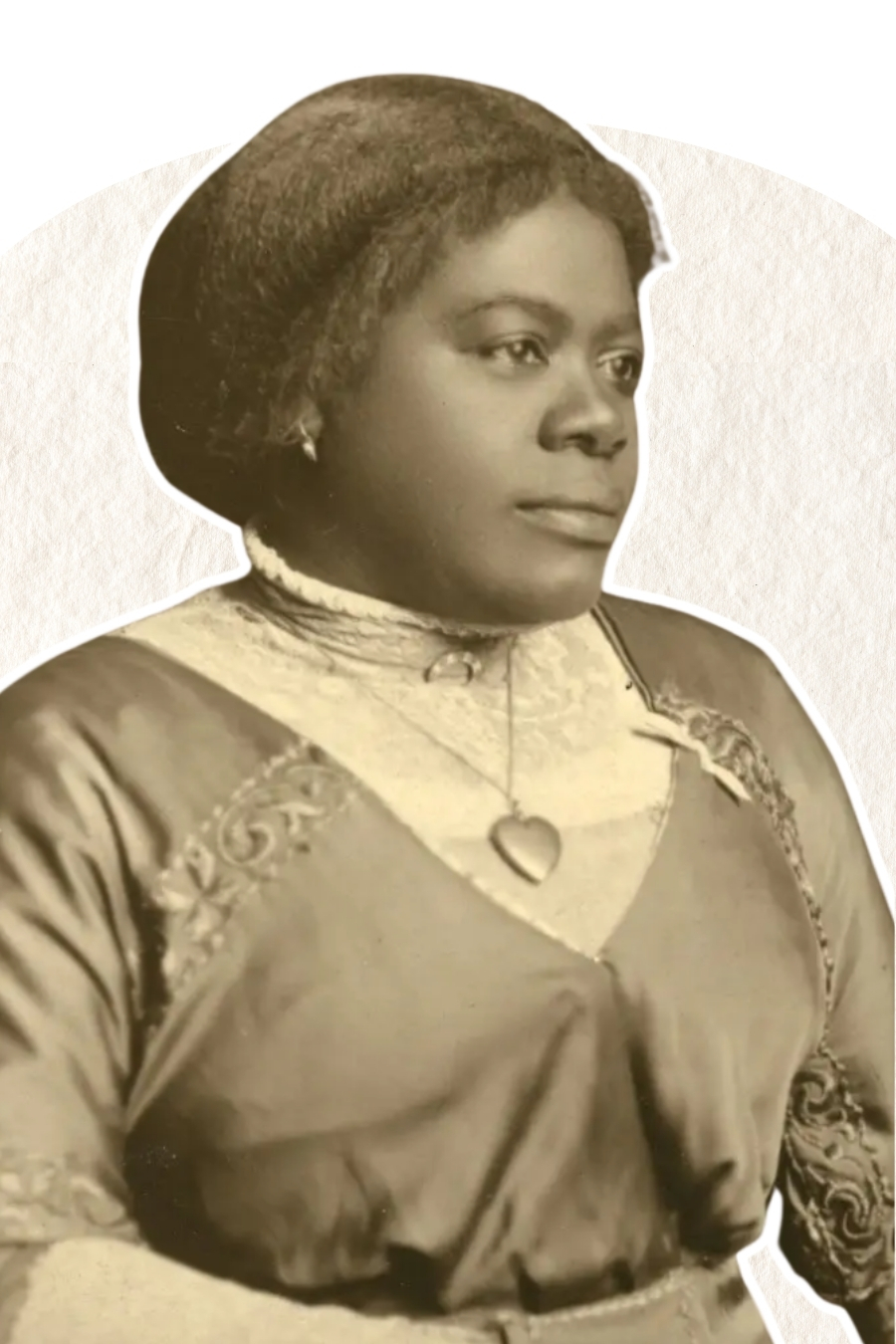
Dr. Mary McLeod Bethune was born in Mayesville, South Carolina. The daughter of former slaves, Mary was one of seventeen children. She worked hard to help support her family and fought with determination to get an education while living in a segregated society.
Determined to succeed, Mary went on to pursue higher education and graduate from college. She became a teacher and dedicated her life to providing rigorous education for African American girls like herself, whom she lovingly called her "Black Roses." With very limited resources, Mary founded a school that eventually grew into what is now known as Bethune-Cookman University, to help them achieve university degrees. Her Black Roses would often sing, "Who built the school? Sister Mary built the school!"
Perseverance: A determined and proactive attitude that drives steady, sustained effort toward a goal, even in the face of difficulties, obstacles, or failure.
Mary became a renowned national leader, advising U.S. Presidents and First Ladies, holding an important government position, and leading the National Association of Colored Women. She worked tirelessly to improve educational and employment opportunities for her community.
Mary's relentless commitment to education changed lives and advanced civil rights. Today, her marble statue stands in the United States Capitol, the first African American to be thus honored. Dr. Mary McLeod Bethune teaches us that determination can overcome obstacles and create a brighter future for all.
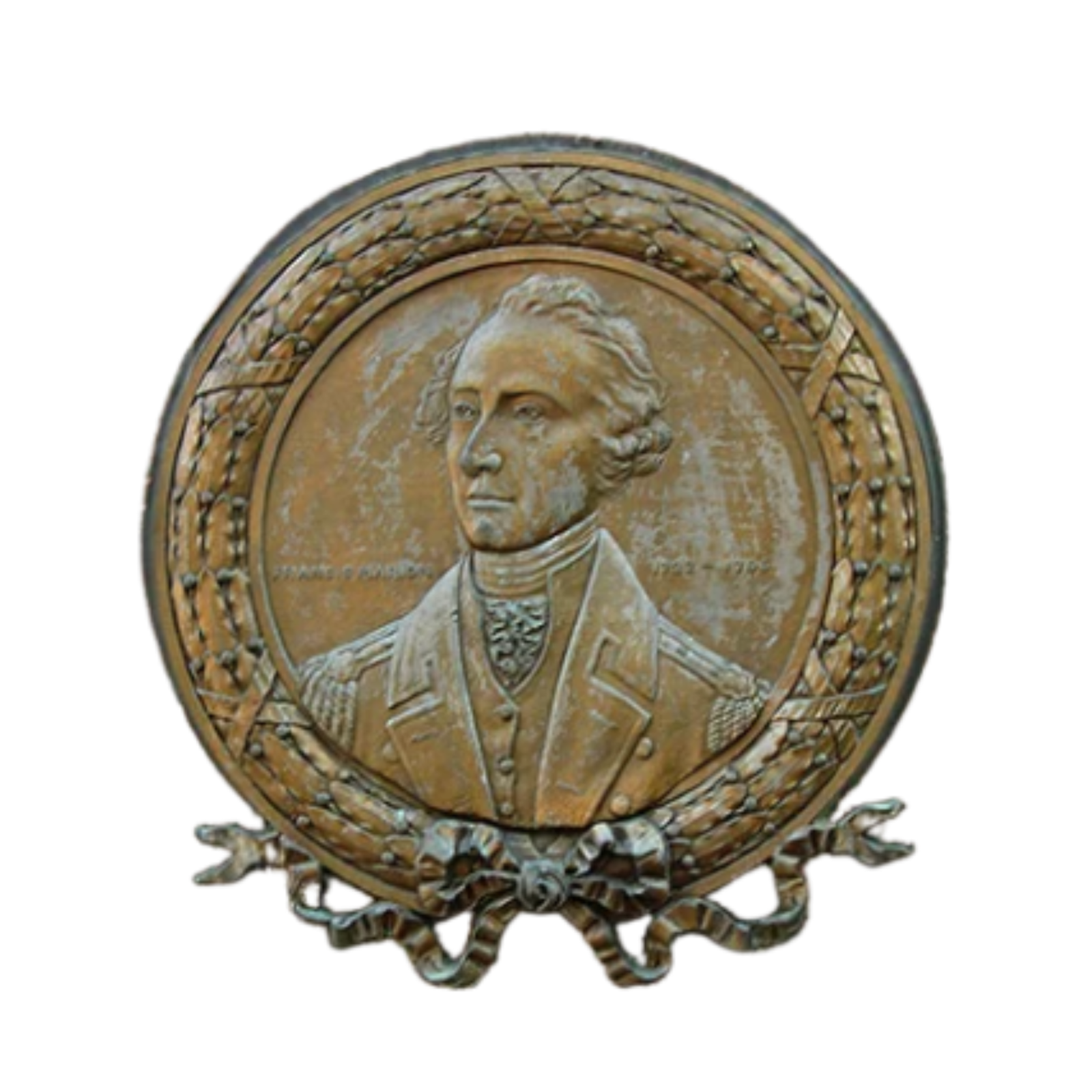
Born around 1732 in Berkeley County, Marion was the youngest of six in a Huguenot family--French Protestants who faced persecution and emigrated in search of religious freedom. At 15, he survived a shipwreck on a voyage to the West Indies. He also fought in the French and Indian War, learning guerrilla tactics he would use in the American Revolution. Despite malformed legs and modest beginnings, he became a Revolutionary War hero.
After the battles of Lexington and Concord, Francis Marion became a militia captain. He fought at Fort Sullivan (1776) and in Savannah. A broken foot kept him from Charleston's capture in 1780, allowing him to lead raids in the backcountry. Using guerrilla tactics, he rescued prisoners and disrupted British operations, earning the nickname "Swamp Fox." In 2000, the movie The Patriot even told the story of this SC Patriot on the big screen!
Loyalty: Consistent devotion--demonstrated through unwavering support, especially in the face of adversity, risk, or personal sacrifice--driven by integrity and a deep sense of duty and responsibility.
Francis Marion pioneered guerrilla warfare, leading surprise raids that weakened British forces. His leadership inspired loyalty and respect, even from enemies. His service in both the French and Indian War and the American Revolution showed lifelong dedication to heroic military service for his country.
After the war, Marion returned to his home, married Mary Esther Videau, and served in the SC Assembly. He opposed harsh treatment of Loyalists--American colonists who remained loyal to the British Crown during the Revolution--and helped draft South Carolina's 1790 state constitution. He died in 1795 at Pond Bluff and was buried at Belle Isle Plantation. Marion remains a symbol of strategic brilliance and American resilience.
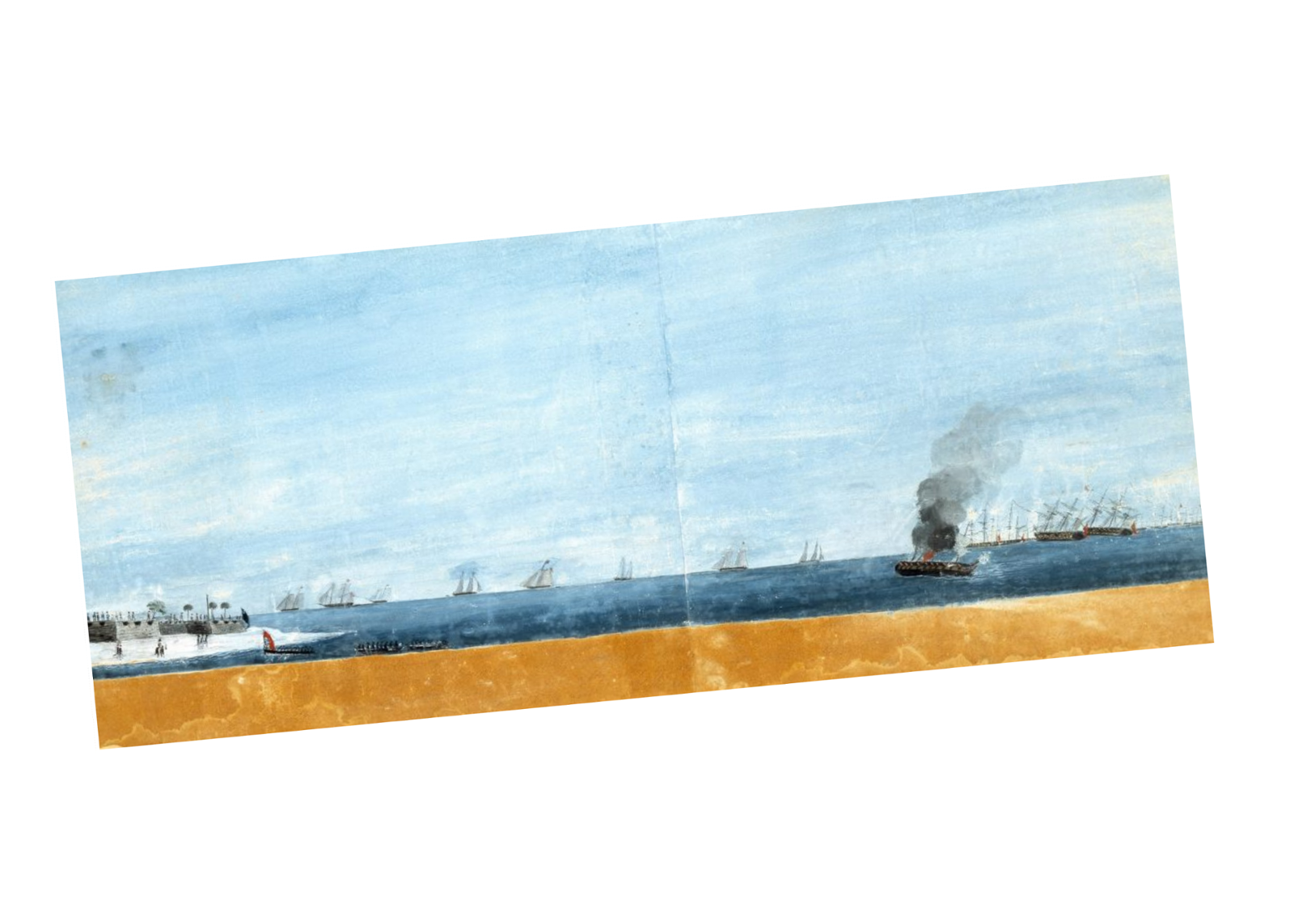
On June 28, 1776, fewer than 1,200 Patriot soldiers repelled a major British force more than twice their size at the Battle of Sullivan's Island--the first major American victory of the Revolutionary War. Led by Colonel William Moultrie, a Charleston native, the Patriots built their humble fort out of Palmetto logs, a plentiful local resource. Faced with such makeshift opposition, British officers thought they would easily take Charleston. Instead, they were soundly defeated in a grueling, nine-hour battle, thanks to the fierce bravery of the Patriots and the amazing Palmetto logs, which actually absorbed the impact of the British cannonballs! Fort Moultrie, as it came to be known, became a symbol of resilience and victory, rallying morale across the American colonies.
Amid the battle, a British cannonball struck the fort's flagpole, knocking the regimental flag to the ground. Without hesitation, Sergeant Jasper leapt over the wall, retrieved the flag, and replanted it on the fort wall, risking his life to keep the spirit of the fight alive. He is reported to have said, "Colonel, don't let us fight without our flag!"
Bravery: The spark that transforms doubt into determination, showing that courage is not the absence of fear but the choice to act with resolute hope despite it.
Sergeant Jasper's daring act became a symbol of bravery and devotion. His loyalty inspired others to stand strong. Later, he was offered a military promotion but humbly declined, choosing instead to stay with his unit.
The Patriots' victory at Fort Moultrie and Sergeant Jasper's legendary bravery lives on today in our iconic state flag. First featured on that tattered regimental "Liberty" flag and the hats of the soldiers who fought under it, the crescent continues to wave proudly alongside the strong and resilient Palmetto tree wherever South Carolina's flag flies. Each June 28, we celebrate Carolina Day to honor South Carolina's landmark role in America's fight for independence.
Maude Callen was born in Florida just before the dawn of the twentieth century. Orphaned at only seven years old, she was raised by her uncle, the first black doctor in Tallahassee. From him, she learned the power of education and the responsibility to serve others. She graduated from college in Florida and completed nurse and midwife training at the Tuskegee Institute in Alabama.
In the early 1920s, Maude moved to rural South Carolina as an Episcopal missionary nurse-midwife in Berkeley County. She delivered up to 800 babies, often alone after traveling through dark, swampy backroads. Her lantern, weaving through the darkness, earned her the nickname “Angel in Twilight.” She also trained other midwives, taught literacy, organized clothing drives, and transported the sick to hospitals. She summed up her calling: “Let me live in my house by the side of the road and be a friend to man.”
Compassion: A deep awareness of and genuine concern for the suffering and needs of others, expressed through selfless service and kindness.
In the 1950s, Life magazine spotlighted Nurse Maude’s service, helping fund a Pineville clinic. She worked tirelessly until retirement and later delivered meals to seniors. When invited to the White House by President Reagan, she reportedly said, “You can’t just call me up and ask me to be somewhere. I’ve got to do my job.” Her dedication to Pineville and its people never wavered.
Reflecting on her life, she said, “I’ve seen people in need so much, and there’s so much to be done, I decided within myself that I was going to make some effort in order to help them live a better life.” For over 60 years, her compassion transformed lives and strengthened her community, setting an example for us all to follow.
Born in 1816 in Laurens County, Ann Pamela Cunningham grew up surrounded by the beauty of the South Carolina countryside and the values of service and duty. Her life changed dramatically after a horseback riding accident left her with a spinal injury. Though she lived with pain for the rest of her life, Ann remained determined to make a difference in the world around her.
Years later, Ann’s mother visited Mount Vernon—George Washington’s historic home —and was heartbroken by its crumbling condition. When she shared what she saw, Ann felt a deep sense of responsibility. She believed that the home of the nation’s first president should be preserved for all Americans. Ann launched a national campaign to save Mount Vernon, rallying women across the country to join her cause. She founded the Mount Vernon Ladies’ Association, the first national historic preservation organization in the United States.
Responsibility: Recognizing what must be done and taking it upon yourself to protect and preserve what matters—for the good of others.
Through tireless fundraising and organizing, Ann and the women of the Association raised enough money to purchase and restore Mount Vernon. Their work not only saved the estate from ruin but also set a powerful example of civic responsibility and leadership— especially for women, who had few public roles at the time.
Thanks to Ann Pamela Cunningham’s vision and determination, Mount Vernon stands today as a beautifully preserved museum and national treasure. Her memory is commemorated by a monument in the historic churchyard of the First Presbyterian Church in Columbia, South Carolina. Her legacy lives on in every visitor who walks Mount Vernon’s grounds and in every American historic site preserved, because one woman took responsibility for protecting America’s past for future generations.
Ronald McNair was born on June 21, 1950, in Lake City, South Carolina. Growing up without electricity or running water, his parents—Carl, a mechanic, and Pearl, a teacher—instilled in him a strong work ethic and belief in education. This foundation fueled his journey. McNair excelled in school, mastered the saxophone, earned a black belt in karate, and aimed higher. His curiosity and determination led him to MIT, where he earned a Ph.D. in Physics.
McNair worked on amazing science projects! He helped make powerful lasers, studied energy, and even explored the science behind karate moves, in addition to becoming an astronaut. He loved discovering new things and sharing knowledge.
Fortitude: The inner strength to stand firm and keep going when the path is difficult.
In 1978, Ronald McNair was chosen from 10,000 applicants as one of 35 for NASA’s astronaut program, becoming the second African American astronaut. His first spaceflight was in 1984 on the Space Shuttle Challenger, where he helped operate the robotic arm for the first untethered spacewalk in history.
On January 28, 1986, another Challenger mission launched—but this time, tragedy struck. The shuttle exploded just after liftoff, claiming the lives of McNair and six fellow astronauts. McNair’s childhood—marked by poverty, adversity, personal determination to receive an education—became rocket fuel for resilience and academic brilliance, propelling him to break barriers and become one of NASA’s pioneering astronauts. We celebrate the insatiable curiosity and bold spirit of a small-town boy from South Carolina who reminds us that we can accomplish great things with determination and hard work. When Ronald McNair was told, “You can’t,” he found a way to say, “I can.” And he did.
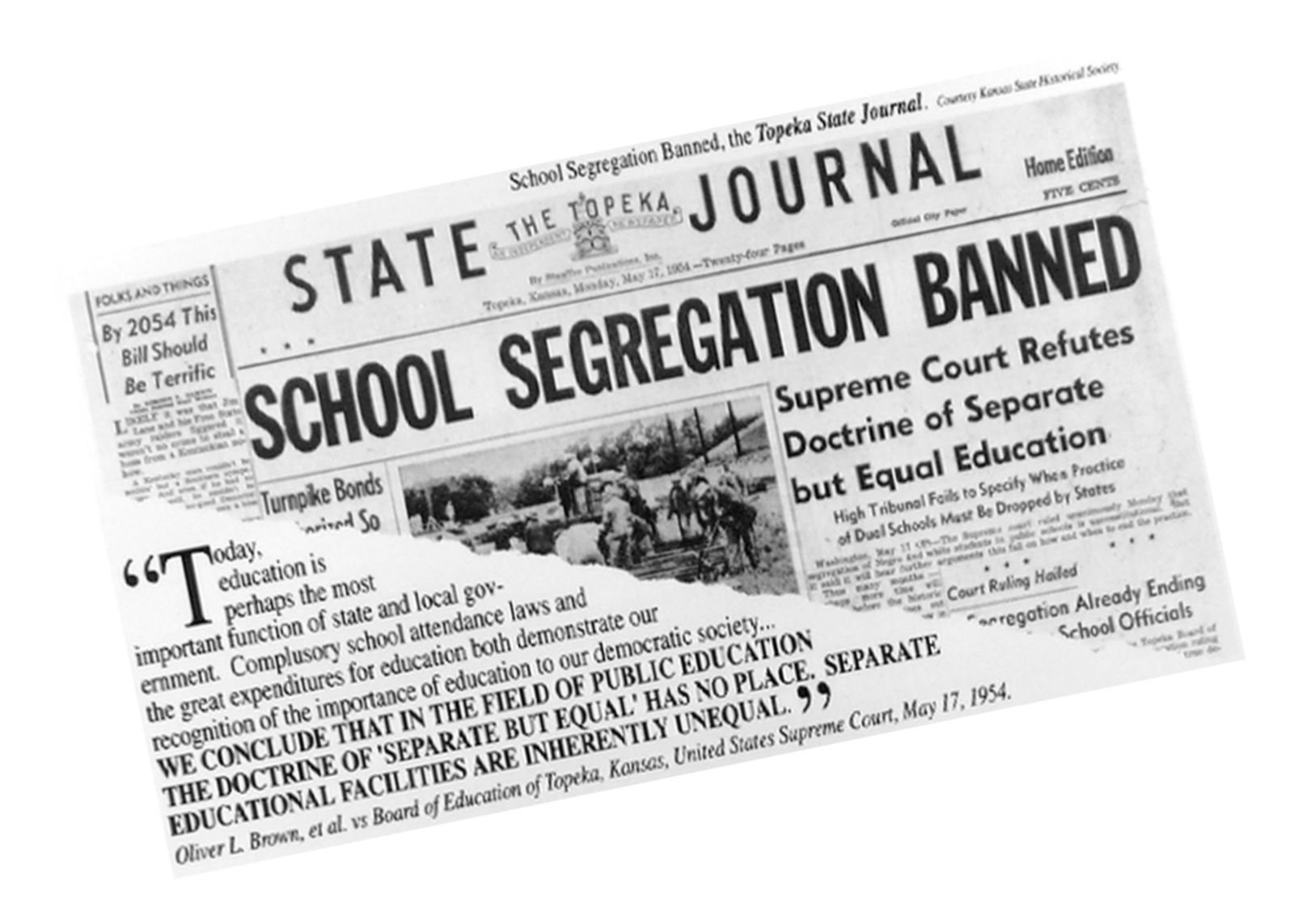
In Clarendon County, during the era of segregation, black children walked miles to school while white children rode buses. Black schools were overcrowded, underfunded, and falling apart. Frustrated by this inequality, a group of determined South Carolina families decided to take a stand.
The families behind Briggs v. Elliott worked together to challenge these unjust school policies. They organized, petitioned, and filed a lawsuit-all while facing threats and retaliation. Their efforts were rooted in a deep belief that every child deserves a fair chance at an education, no matter their race or circumstances.
Courage: The strength to face fear, danger, or difficulty with determination and hope-especially when standing up for what's right.
The Briggs family was the first to sign a petition demanding equal access to school transportation. Their bravery sparked a lawsuit-Briggs v. Eliott-challenging school segregation. Despite threats, job loss, and a community pressure, the families involved stayed strong in their fight for justice, leading the way for the entire nation.
Briggs v. Elliott became one of five legal cases combined into the U.S. Supreme Court's landmark Brown v. Board of Education decision. In 1954, the Court ruled that school segregation was unconstitutional. The courage of the Briggs family and their community helped change the course of American history and marked a major victory in the fight for equal education and opportunity for every student.
John Rutledge played a central role in the American Revolution and the founding of the United States. Born in Charleston in 1739, Rutledge was a legal prodigy. He began studying law as a teenager, trained in one of London's renowned Inns of Court, and returned home to build one of the most successful law practices in the American Colonies.
Rutledge helped lead South Carolina through its earliest days: writing the state's first constitution, serving as its first president, and presiding as Commander in Chief during the Revolution, including the stunning Patriot victory at the Battle of Sullivan's Island. He also supported George Washington's command, chaired the committee that drafted the U.S. Constitution, signed it, and went on the server as both a U.S. Supreme Court Justice and Chief Justice of South Carolina
Leadership: Accepting the responsibility to step forward when others hesitate, choosing courage over comfort to guide others through uncertainty and help shape the future.
On June 28, 1776, as British forces moved to capture Charleston, American commanders debated abandoning the unfinished fort on Sullivan's Island. John Ruthledge refused to yield. Overruling the call to retreat, he ordered the fort held-setting the stage for a 10-hour battle that ended in a decisive American victory. It is still commemorated as Carolina Day each year on June 28.
Though less well known than other Founding Fathers, Rutledge was pivotal in birthing and shaping our young nation. As South Carolina's decisive wartime governor during the Revolution and a key architect of the U.S. Constitution-which he helped draft and signed-Rutledge placed himself and our state at the forefront of securing American independence.
The Medal of Honor is the United States' highest award for military valor-an enduring reminder that every generation's freedom is secured by the sacrifice of the one that came before. For more than 150 years, America has been blessed to bestow this honor on those willing to answer liberty's call. Each Medal tells the story of a person who, in the moments that mattered most, chose bravery over fear, sacrifice over self, and integrity above all else.
Created in the crucible of the Civil War, the Medal of Honor is presented by the President in the name of Congress to those who display unmistakable courage in the face of mortal danger. Since 1861-1862, more than 3,500 members of the U.S. Armed Forces have earned this distinction-each one bearing the weight of our nation's gratitude. Among them stand 33 South Carolinians whose valor shows that every Medal of Honor recipient was ready to give their life-some lived, others did not-but all were willing. That is why freedom endures.
Valor: Valor is the courage to act when the cost is highest-when duty has already been met, but something more is required. It is visible bravery in the face of real danger, where purpose burns brighter than fear and sacrifice is chosen over self. Valor is not the absence of fear, but the decision to move forward-above and beyond-when it matters most.
"I'm proud of my scars because they show I dedicated myself to a bigger purpose." - Kyle Carpenter, South Carolina Medal of Honor Recipient.
The first South Carolinian to receive the Medal of Honor was Robert Blake (Navy) of Port Royal, an enslaved man who earned the medal in 1864 for his heroic actions during the Civil War. Eight South Carolinians received the medal during World War I, including Corporal Freddie Stowers (Army)—the only African American Medal of Honor recipient so honored during that conflict. Five South Carolinians received the medal during World War II, and four more during the Korean War. Seven were honored for heroic actions in Vietnam.
The most recent South Carolinian to receive the Medal of Honor was Sergeant First Class Christopher A. Celiz (Army), who was posthumously awarded in 2021 for his selfless actions during the War on Terrorism in Afghanistan. Remarkably, another hero from the same conflict is the youngest living Medal of Honor recipient: Lance Corporal Kyle Carpenter (Marine). Although born in Mississippi, Carpenter spent much of his youth in South Carolina and graduated from W.W. King Academy in Batesburg—linking his story closely to our Palmetto State. The same is true for Major General James E. Livingston (Marine), who, though born in Georgia, proudly calls Charleston home.
Known to generations of Marines as "The Iron Major," James Capers Jr. has embodied courage, resilience, and selfless leadership. Born on August 25, 1937, in Bishopville, South Carolina, to sharecroppers during the Jim Crow era, he was raised to face adversity with perseverance. After moving to Baltimore as a young man, he enlisted in the U.S. Marine Corps, beginning a life of service that would change history.
In 1967, during the Vietnam War, then-Lieutenant James Capers Jr. led a six-man Force Reconnaissance team behind enemy lines when they were ambushed by a larger force. Shot twice, with broken legs and gravely wounded, Capers continued to direct the fight. When a rescue helicopter struggled to lift off under its heavy load, he offered to surrender his spot to save his wounded Marines, but they refused to leave him behind. His courage and sacrifice that day saved his team’s lives.
Sacrifice: Choosing the good of others before your own, even when doing so requires great personal cost.
Major Capers was the first African American Marine to receive a battlefield commission and later the first to command a Marine Force Reconnaissance company. During his career, he completed 64 dangerous patrols behind enemy lines, leading from the front. His service earned many awards, including the Silver Star, two Bronze Stars with Valor, and three Purple Hearts. His image was featured in a national Marine Corps recruiting campaign, and many of the reconnaissance tactics he pioneered still influence U.S. military operations today.
Although his commanding officer began his recommendation for the Medal of Honor, the officer was killed in combat before it could be completed. As a result, Capers' heroism went unrecognized for nearly six decades. In June 2026, Bipartisan Congressional action corrected that omission, and Major James Capers Jr. received the Medal of Honor, our nation's highest military award. Reflecting on his service, Major Capers said, “This is the greatest country in the world. I fought for that flag; I believed in it.” His story reminds us that sacrifice is measured not by a single act or recognition, but by how consistently it is lived for others each day.